Insights · Verification
A clean is not finished until it is checked
Commissioning operating theatres taught me that a clean only counts once it has been independently checked. Why verification matters.
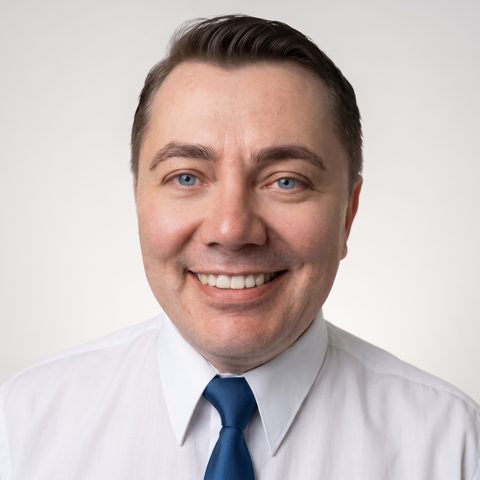
Rafal Kujawski, Managing Director
5 November 2026
In 2011 I was asked to commission new hospital operating theatres for cleaning. The deadline was tight and there was no process in place.
I found the governing standard and looked at how it was done overseas. I brought in microbiologists, sourced the chemistry and sterile equipment, set up a positive-pressure anteroom for gowning, and taught the team the order for putting on and taking off protective equipment.
Then we had the work checked. Blind swabs, read by independent microbiologists who did not know which result belonged to which room.
One theatre did not pass.
That result taught me more than all the ones that did. We were told which theatre, but not where in it. So we did not guess. We cleaned the whole theatre again, the same way, and had it swabbed again. It passed.
If we had not tested, that theatre would have opened on the strength of a clean that looked finished. Everyone would have believed it was. The paperwork would have said so.
That is the gap verification closes. A surface can look clean, smell clean and be signed off as clean, and still not be. The only way to know is to check, independently, in a way nobody can steer.
It does not need to be complicated. ATP readings give a quick read on site. Accredited laboratory swabs give an independent one. Repeat them after a change in process, a change in staff, or an outbreak.
And when a result comes back that you did not want, treat it as the most useful thing on the report. It shows where the process needs work.
A clean is not finished until it is checked. Everything before that is an assumption.