
Home / Case studies
Case studies
Each study follows the same line: the problem, what we found, what we did, and the outcome. No clients are named.
01
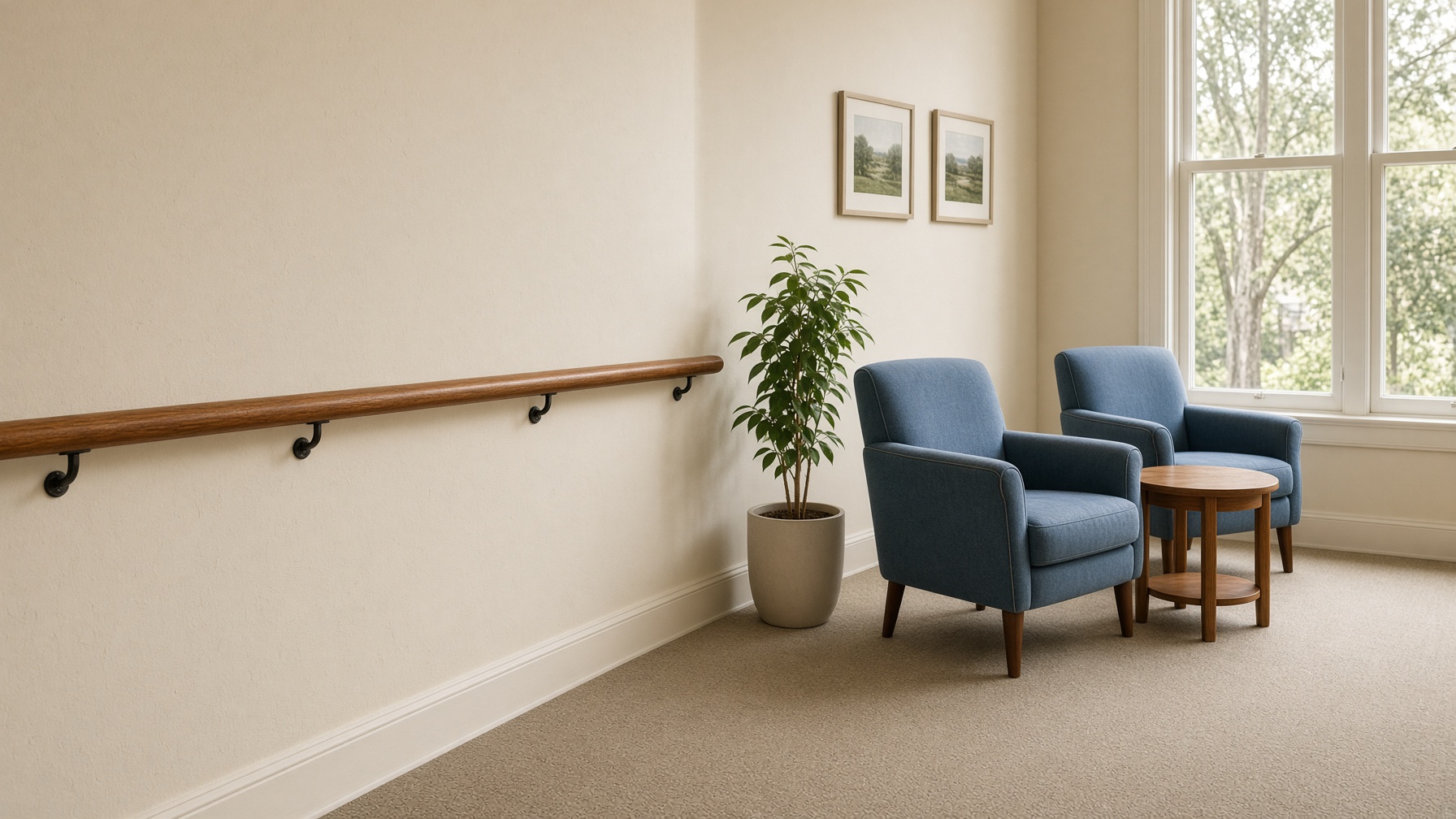
An aged care group, 30 facilities
- The problem
- A Victorian aged care group was dealing with recurring gastro outbreaks. The in-house cleaning teams were following their procedures.
- What we found
- We worked alongside the cleaning teams across around 30 facilities and looked at how things moved through each building, not just how surfaces were cleaned. Food trolleys were travelling between wards and the kitchen with no defined clean-down step.
- What we did
- We introduced a clean-down point for the trolleys between each trip, changed how the equipment moved between areas, and trained the teams to hold the new routine.
- The outcome
- The trolley clean-down became standard practice and was adopted more widely across the group.
02
Surface damage in an aged care village
- The problem
- An aged care village of about 120 residents was seeing chairs crack and peel, benchtops etch, and stainless rails dull. Staff put it down to wear and tear.
- What we found
- We walked the site with the facility manager and the cleaning lead. The product on the trolley was not compatible with the surfaces it was used on every day, and its label gave no guidance for vinyl, laminate or stainless.
- What we did
- We mapped and photographed the damage, checked each product against the actual surfaces, moved the site to a chemistry suited to them, and trained staff on the new process.
- The outcome
- No further surface damage. The facility avoided replacing furniture that had been worn down by the wrong product, not by age.
03
Commissioning new operating theatres
- The problem
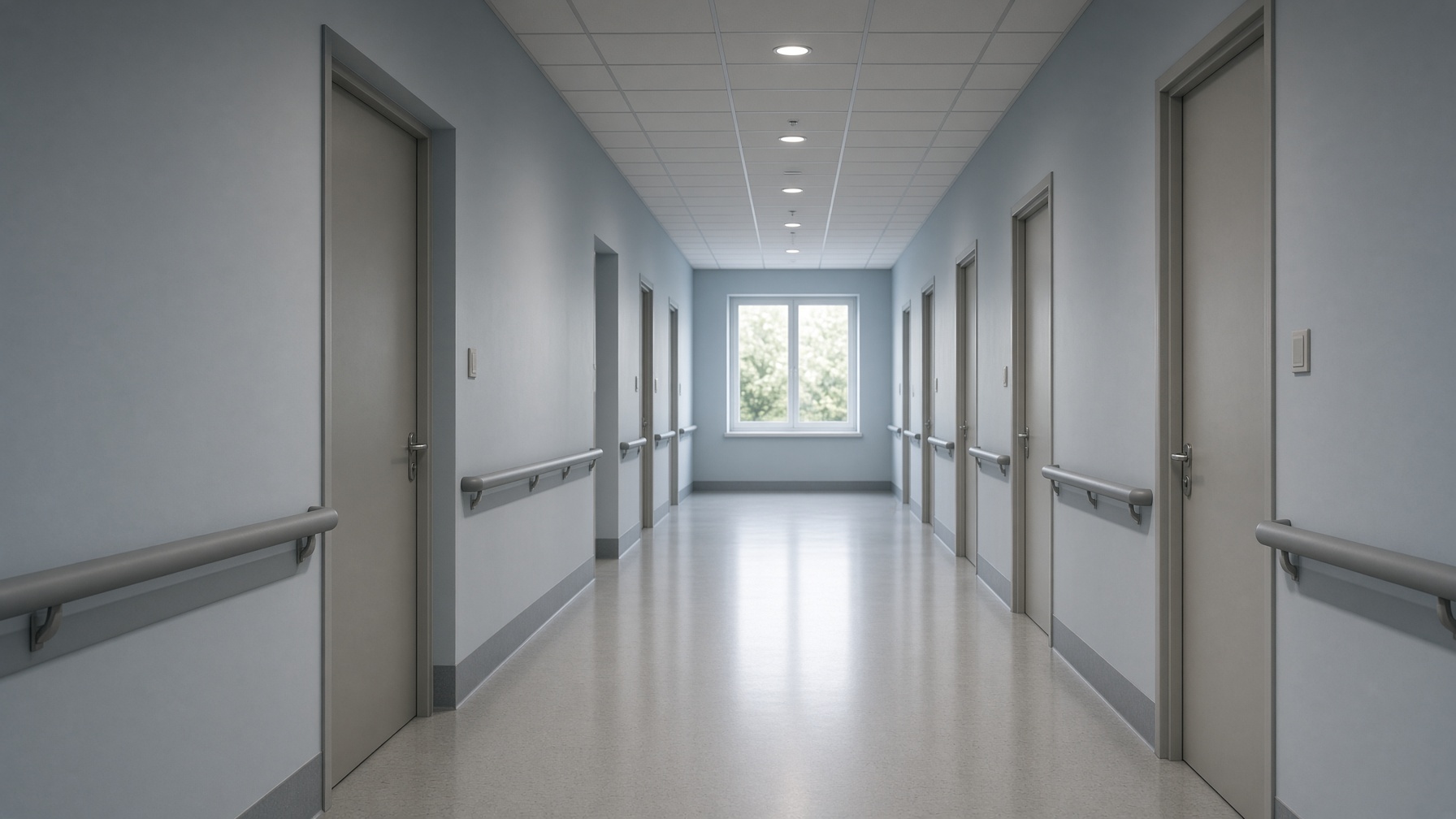
- New operating theatres in a Melbourne hospital had to be cleaned to a verified standard before they could open, on a tight construction deadline, with no process in place.
- What we found
- We researched the governing standard and the methods used overseas, and mapped the gaps between that standard and what the site had.
- What we did
- We brought in microbiologists, sourced the chemistry and sterile equipment, set up a positive-pressure anteroom for gowning, and taught the team how to put on and take off protective equipment in the right order.
- The outcome
- Blind swabs were read by independent microbiologists. One theatre did not pass. We were told which theatre, but not where in it, so the whole theatre was cleaned again. It then passed.
04
A venue gastro outbreak
- The problem
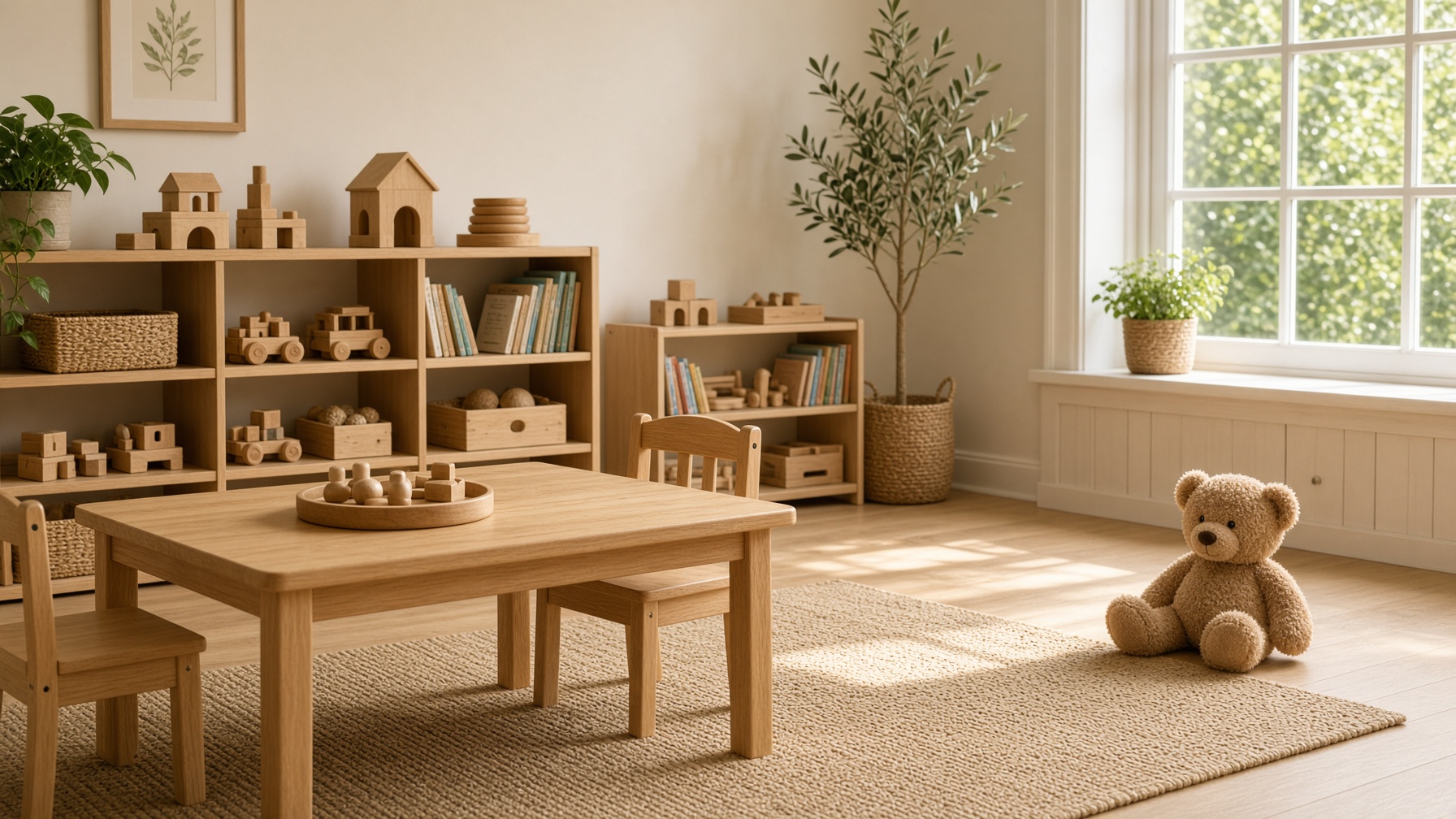
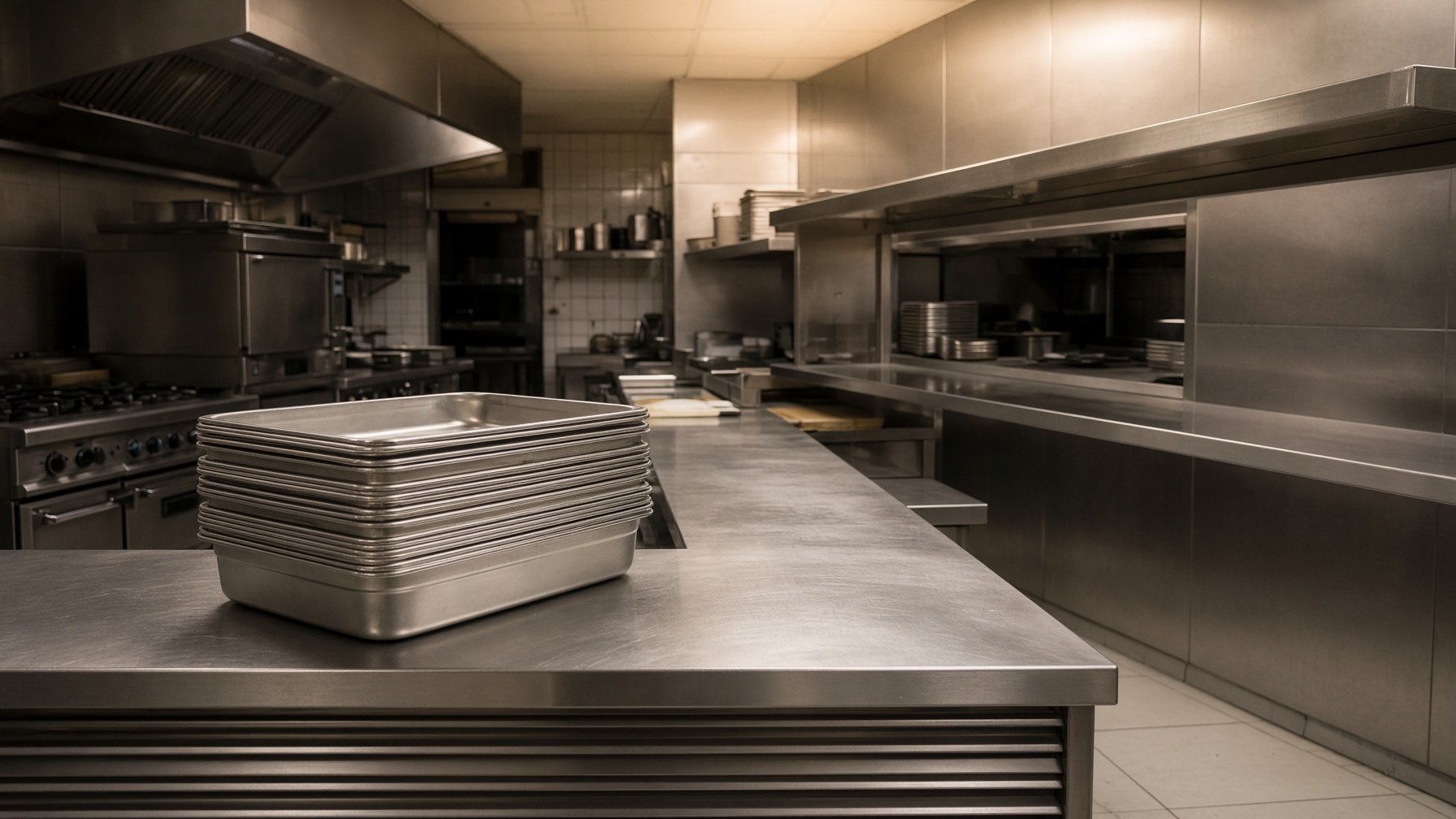
- A busy venue with function rooms, bars, a commercial kitchen and a children's play area had a gastro outbreak and had to close. The council needed a documented response before it could reopen.
- What we found
- The outbreak reached well beyond the obvious areas. Play rooms, change facilities, lockers and children's furniture all needed attention, and a second kitchen was added on the day.
- What we did
- We worked with the venue and the council the same day. A five-person team ran a two-step clean then disinfect across every affected area, with targeted work where the full process did not fit. We delivered equipment, trained the supervisor to keep it going, and photographed each stage.
- The outcome
- The venue had a complete written record and independent laboratory swab results, which we shared with the council with the venue's permission.
05
A riverside venue on the Yarra
- The problem
- The venue needed a thorough clean and disinfection, and every washdown drained straight into the Yarra.
- What we found
- We looked at the whole site, not just the surfaces. The real risk was what would run off into the river.
- What we did
- We chose the process and chemistry around the setting: a pH-neutral detergent first, then a disinfectant suited to an outdoor site beside a waterway.
- The outcome
- The venue was cleaned and disinfected, and the river was protected.
06
Moisture across five sites
- The problem
- A distributor's client had a mould issue across five sites and asked the distributor for help.
- What we found
- We spoke with the client directly. The common thread was moisture and low airflow, not the cleaning itself.
- What we did
- On the distributor's behalf, we mapped the moisture, recommended dehumidifiers in low-airflow areas, and wrote a clean-then-disinfect process for the client to run.
- The outcome
- The client had a written process their own team could follow across all five sites, backed by the distributor.
07
A vessel water system
- The problem
- A distributor's client had Legionella concerns in a vessel's water system.
- What we found
- The question was how the water was being run, filtered and checked day to day.
- What we did
- We reviewed each step and wrote a flushing process for them to take to management.
- The outcome
- Management had a clear process to act on, and the operator had confidence in how their water was being managed.